


If you’ve spent any time researching link building or press release distribution tools, you’ve probably come across Article Release. It shows up in SEO forums, Facebook groups, and “best link-building tools” roundups, usually with mixed opinions. Some marketers swear by it. Others say it’s overhyped. So which is it?
This review breaks down exactly what Article Release does, how it works, what it costs, and whether it’s actually worth adding to your SEO toolkit in 2026. We’ll look at real use cases, compare them against alternatives, and give you a balanced, no-fluff verdict.
Table of Contents
What Is Article Release?
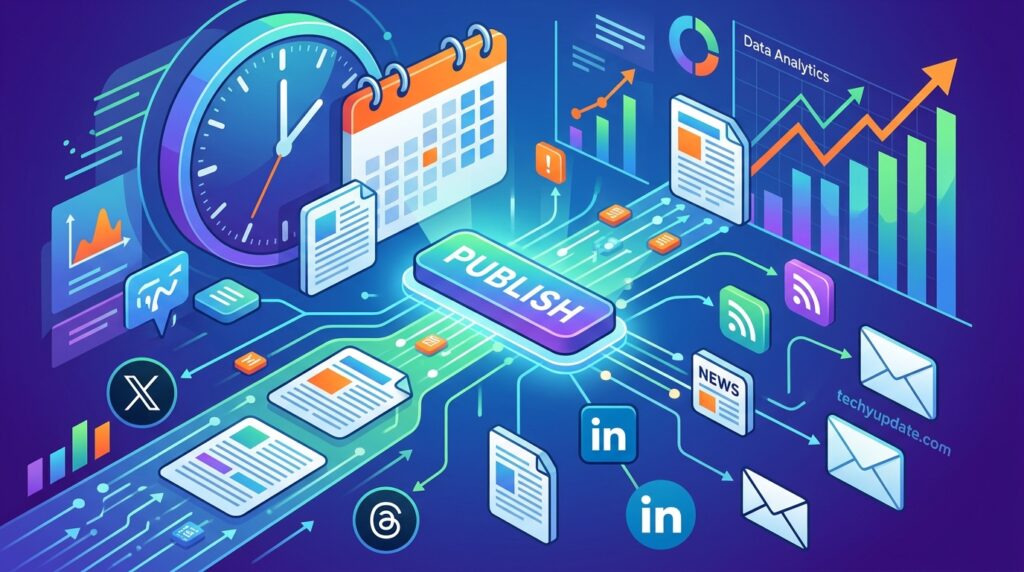
Article Release is a content distribution and press release syndication platform designed to help businesses publish articles, press releases, and brand content across a network of media outlets and publisher sites, with the goal of generating backlinks, visibility, and referral traffic.
In simpler terms: you write (or commission) an article, submit it through Article Release, and the platform pushes it out to a network of publishing partners. Depending on the plan, this can mean placement on niche blogs, regional news sites, or larger media aggregators.
Who Is It For?
Article Release is generally aimed at:
- SEO agencies managing link building for multiple clients
- Small business owners are trying to build brand visibility without hiring a full PR team
- Affiliate marketers looking for diversified backlink profiles
- Startups announcing product launches, funding rounds, or partnerships
- E-commerce brands wanting press coverage tied to product launches
If you’re a complete beginner just starting a blog with zero authority, Article Release can still be useful, but you’ll get more value once you already have a baseline of decent content and some existing backlinks.
Key Features of Article Release
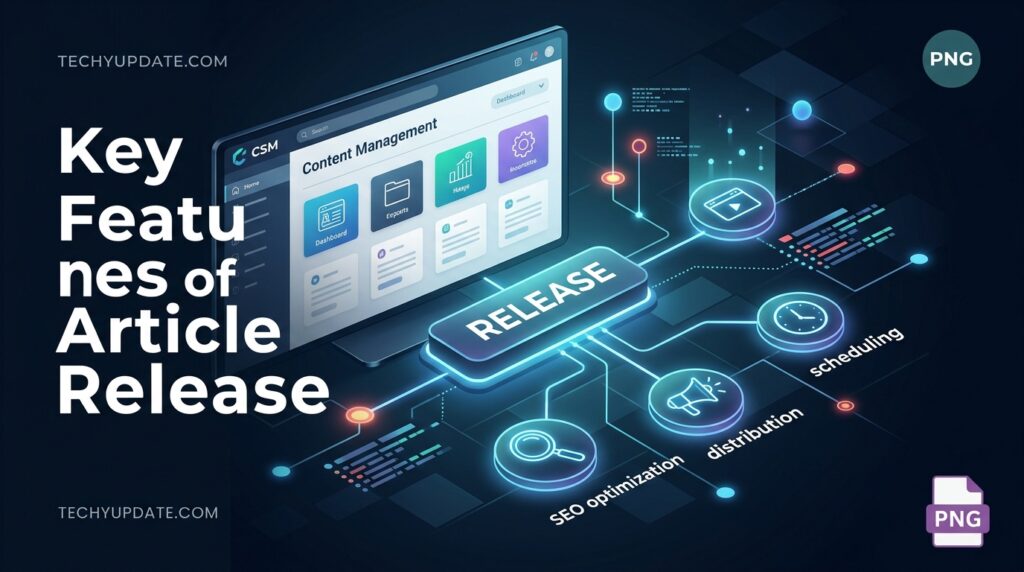
Distribution Network
The core selling point is the size and relevance of the distribution network. Article Release distributes content across a mix of:
- Niche-specific blogs (tech, finance, health, lifestyle, etc.)
- Regional and national news aggregator sites
- Industry-specific publications
The quality of these placements varies; some are genuinely respected sites with real readership, while others function more like syndication farms. This is the single most important factor in deciding whether the tool is “good” for your specific niche, because a generic tech press release distributed to finance-heavy outlets won’t do much for relevance or rankings.
Turnaround Time
Most users report publication turnaround somewhere between 24 hours and 5 business days, depending on the plan tier and the complexity of the content. Higher-tier plans typically get priority queue placement.
Dashboard & Reporting
Article Release provides a dashboard where you can:
- Track which outlets picked up your article
- See estimated reach/impressions
- Monitor backlink status (live vs. removed)
- Download basic performance reports
The reporting isn’t as in-depth as that of a dedicated tool like Ahrefs or SEMrush, but it’s enough to get a general sense of where your content landed.
Additional Features
- Bulk submission for agencies managing multiple clients
- API access on higher-tier plans
- White-label reporting for agencies reselling the service
- Basic multi-language support for international distribution

Article Release Pricing Plans
Pricing structures for tools like this typically scale with the number of distributions per month, outlet-tier access, and reporting depth. Here’s a general breakdown of how plans are usually structured:
| Plan | Best For | Monthly Distributions | Key Features | Approx. Price Range |
|---|---|---|---|---|
| Starter | Solo bloggers/freelancers | 1–3 articles | Basic outlets, standard turnaround | $$ |
| Growth | Small businesses | 5–10 articles | Priority queue, niche targeting | $$$ |
| Agency | SEO agencies | 15+ articles | White-label, API access, bulk upload | $$$$ |
| Enterprise | Large brands | Custom volume | Dedicated account manager, custom outlets | Custom pricing |
Tip: Always check the current official pricing page before purchasing, since SEO tool pricing tends to shift with new plan structures and promotional periods.
How Article Release Works (Step-by-Step)
- Create your account and choose a plan based on your monthly content volume needs.
- Write or upload your article/press release, following the platform’s formatting and word count guidelines.
- Select your target niche/category so the system matches you with relevant outlets.
- Submit for review; most platforms have a quality check before distribution.
- Distribution goes live across the matched outlet network within the stated turnaround window.
- Track performance via the dashboard, checking pickup rate, live backlinks, and estimated reach.
- Repeat and iterate, adjusting topics and outlets based on what generates the best results.
Article Release Pros and Cons
Pros
- Saves time compared to manual outreach to individual publishers
- Useful for brand visibility, not just backlinks
- Dashboard makes tracking placements simple
- Scales well for agencies managing multiple clients
- Can support Google News-style visibility for legitimate announcements
Cons
- Link quality varies significantly across the outlet network
- Some placements may carry “no-follow” tags depending on the publisher
- Not a replacement for genuine editorial guest posting on high-authority sites
- Heavy reliance on syndicated content can look pattern-like to search engines if overused
- Pricing can add up quickly for agencies running frequent campaigns
Does Article Release Actually Help SEO?
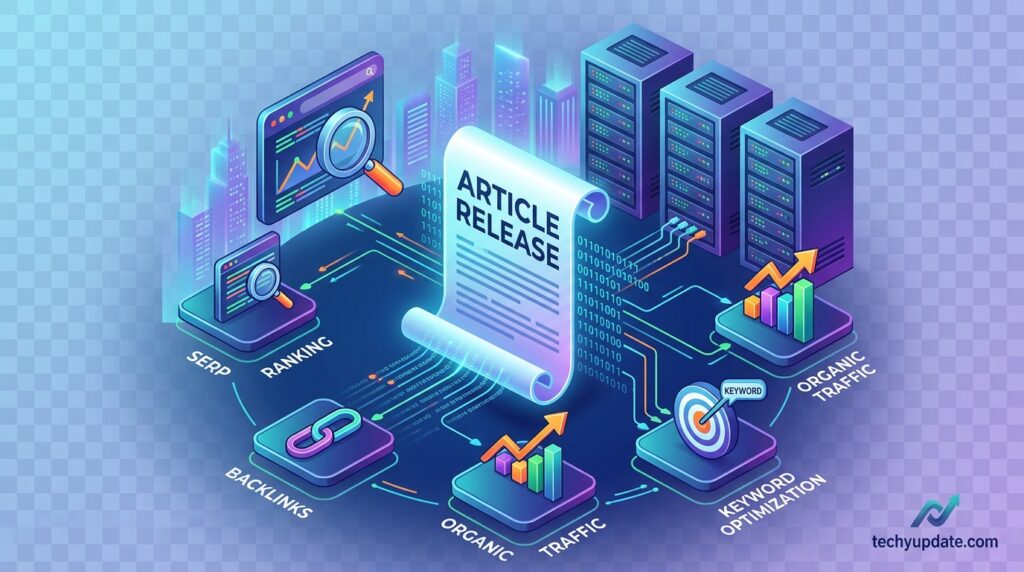
This is the question everyone actually wants answered. The honest answer: it depends on how you use it.
Press release and article distribution services like Article Release are not a magic ranking button. Google has been fairly explicit for years that mass-syndicated press release links carry limited direct ranking weight on their own. Where these services do help:
- Brand visibility and brand search volume — more mentions across the web can increase branded searches, which is itself a positive signal.
- Referral traffic — some outlets in the network have real readers who click through.
- Diversifying your backlink profile — when combined with stronger link types (guest posts, digital PR, niche edits), syndicated links add volume without looking suspicious, as long as the ratio stays balanced.
- Indexation speed — getting picked up by crawlers, indexed publisher sites can sometimes help new pages get discovered faster.
Where it does not help much:
- Expecting a single press release to move you from page 3 to page 1
- Relying on it as your only link-building strategy
- Using it as a shortcut for genuine E-E-A-T signals (experience, expertise, authority, trust)
Bottom line: Treat Article Release as a supplementary visibility and indexation tool, not your core link-building strategy.
Article Release vs Competitors
| Feature | Article Release | PR Newswire | Manual Guest Posting |
|---|---|---|---|
| Cost | Mid-range | High (premium tiers) | Variable (time-intensive) |
| Speed | Fast (24hrs–5 days) | Fast | Slow (weeks) |
| Link Quality | Mixed | High (for top-tier outlets) | High (if done right) |
| Scalability | High | Medium | Low |
| Best For | Volume + visibility | Major announcements | Authority building |
If your goal is prestige placements (major news outlets), PR Newswire-style services tend to carry more weight, but at a steeper price. If your goal is authority-focused backlinks, manual guest posting on respected niche sites still wins, but it’s slow and labor-intensive. Article Release sits in the middle: faster and cheaper than manual outreach, but generally lower average link quality than top-tier PR distribution.
Real-World Use Cases

Case Example 1 — SaaS Startup Launch: A SaaS startup used a distribution-style service to announce a funding round. The press release itself didn’t single-handedly boost rankings, but it did increase branded search and drive a noticeable spike in referral traffic for about two weeks.
Case Example 2 — Local Business Visibility: A local service business used article distribution to support a city-specific keyword campaign. When combined with local citations and Google Business Profile optimization, the additional online mentions contributed to a modest but measurable improvement in local pack visibility.
Case Example 3 — Affiliate Site Link Diversification: An affiliate marketer added a handful of distributed articles into an otherwise guest-post-heavy backlink profile, primarily to diversify anchor text and link types rather than chase rankings directly.
These examples reflect a consistent pattern: distribution tools work best as one ingredient in a broader strategy, not the entire recipe.
Is Article Release Worth It?
For agencies managing multiple clients who need scalable visibility campaigns, Article Release can be a reasonable time-saver. For solo bloggers or very early-stage sites with no existing authority, the ROI is less clear, and that budget might be better spent on a handful of high-quality guest posts instead.
If you’re already running a diversified SEO strategy with solid content, some natural backlinks, and decent technical SEO, adding a tool like Article Release into the mix for visibility and indexation support is a low-risk, moderate-reward addition.
If you’re expecting it to single-handedly fix stagnant rankings, it won’t, and no tool in this category will.
Featured Snippets Section
Definition: Article Release is a content and press release distribution platform that syndicates articles across a network of publisher sites to generate backlinks, brand visibility, and referral traffic for SEO and PR purposes.
List — What Article Release Is Best Used For:
- Brand announcement distribution
- Backlink profile diversification
- Faster content indexation
- Agency-scale visibility campaigns
- Supplementary (not primary) link building
How-To — Getting Started With Article Release:
- Pick a plan matching your monthly volume needs
- Write a well-formatted article or press release
- Select your niche/category for outlet matching
- Submit for distribution
- Track results in the dashboard
Read more: Comprehensive Findremind Review
Frequently Asked Questions
What is Article Release used for?
Article Release is used to distribute articles and press releases across a network of publisher sites, helping businesses build backlinks, increase brand visibility, and generate referral traffic for SEO and PR purposes.
Is Article Release good for SEO in 2026?
It can serve as a supplementary SEO tool for visibility and indexation, but it shouldn’t be your only link-building strategy, since link quality varies across its distribution network.
How much does Article Release cost?
Pricing typically scales by plan tier, ranging from starter plans for occasional use to agency-level plans with bulk submissions. Always confirm current pricing on the official site.
Does Article Release provide do-follow backlinks?
Some placements include do-follow links, while others are no-follow, depending on the publisher’s policy, so backlink types vary across the distribution network.
Is Article Release better than PR Newswire?
PR Newswire generally offers higher-prestige placements at a higher cost, while Article Release tends to be more affordable and faster, with more variable outlet quality.
Can small businesses use Article Release?
Yes, small businesses commonly use it for announcements, brand visibility, and supplementary link building, especially when paired with local SEO efforts.
How long does it take to publish an article?
Turnaround time typically ranges from 24 hours to five business days, depending on the plan tier and current submission queue.
Does Article Release help with Google News indexing?
Some outlets in distribution networks are Google News-indexed, but inclusion isn’t guaranteed and depends on the specific publishers your content reaches.
What are the best alternatives to Article Release?
Alternatives include PR Newswire for premium placements, manual guest posting for higher authority links, and niche-specific PR agencies for targeted industry coverage.
Is Article Release safe from SEO penalties?
Used moderately as part of a diversified strategy, it’s generally low-risk, but over-relying on mass syndication without other organic signals could appear unnatural to search engines.
Does Article Release support multiple languages?
Many distribution platforms in this category, including Article Release, offer basic multi-language support for international campaigns, though outlet availability varies by language.
Can agencies white-label Article Release?
Higher-tier agency plans typically include white-label reporting options, allowing agencies to present results under their own branding to clients.
Is Article Release worth it for affiliate marketing?
It can help diversify an affiliate site’s backlink profile, but it works best alongside stronger link types, such as guest posts, rather than as a standalone strategy.
Does Article Release offer refunds?
Refund policies vary by plan and provider terms, so check the official terms of service or contact support directly before purchasing.
Conclusion
Article Release isn’t a magic SEO bullet, and it isn’t a scam either. It’s a moderately useful distribution tool that fits best as one piece of a broader SEO and PR strategy. If you go in with realistic expectations, visibility, diversification, and faster indexation rather than instant ranking jumps, you’ll get reasonable value out of it.
For agencies and businesses already running solid content and link-building fundamentals, it’s a low-risk addition. For anyone hoping it replaces real authority-building work, it won’t, and no comparable tool will either.