

Artificial intelligence has transformed the way individuals, students, developers, and businesses work. Among the leading innovators in this space, OpenAI has emerged as one of the world’s most influential AI research organizations. From advanced language models and coding assistants to multimodal AI systems and enterprise solutions, OpenAI continues to shape the future of generative AI.
This OpenAI review explores everything users need to know in 2026, including OpenAI pricing, research initiatives, safety efforts, enterprise offerings, developer tools, API costs, and frontier AI innovations.
Whether you are a student looking for an AI learning companion, a developer building intelligent applications, or a business evaluating enterprise AI solutions, understanding OpenAI’s capabilities and limitations is essential.
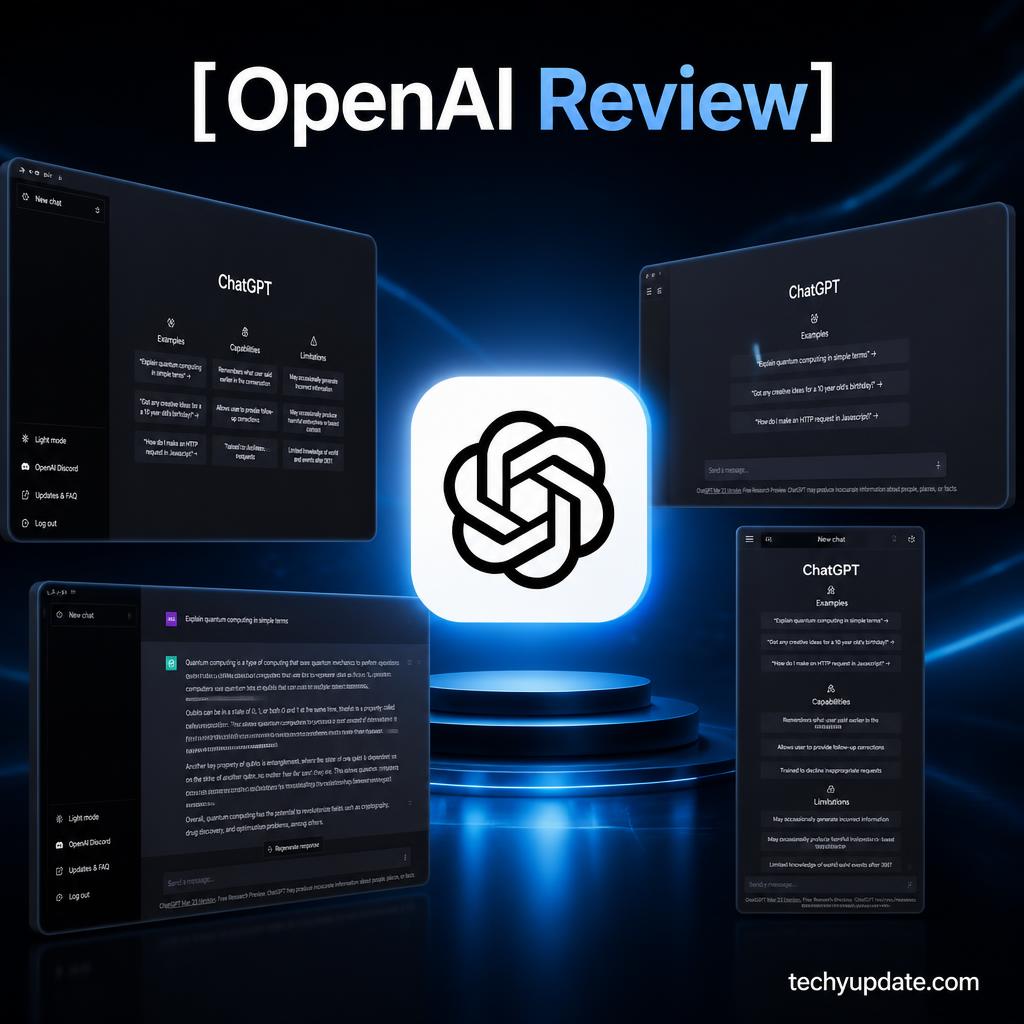
Over the past few years, OpenAI has expanded beyond being a research company. Today, it operates a comprehensive AI ecosystem that includes ChatGPT, advanced APIs, AI agents, coding tools, multimodal models, and enterprise-grade deployments. This review examines how these offerings perform in real-world scenarios and whether they provide value for different user groups.
OpenAI has become one of the most influential companies in the artificial intelligence industry, helping transform how people work, learn, create, and communicate. From powering ChatGPT to providing advanced AI models through its developer platform, OpenAI offers solutions for individuals, businesses, developers, and enterprises.
Its technology is used for content creation, software development, customer support, research, education, workflow automation, and data analysis.
What makes OpenAI stand out is its combination of cutting-edge research and practical applications. Users can interact with AI through ChatGPT, integrate AI into applications using the OpenAI API, or deploy enterprise-grade solutions for large organizations. The company also continues to invest heavily in AI safety, multimodal capabilities, reasoning models, and intelligent agents capable of performing complex tasks.
As artificial intelligence becomes increasingly important across industries, OpenAI remains a leading platform for those looking to improve productivity and gain a competitive advantage. Whether you are a student seeking learning assistance, a developer building AI-powered software, or a business exploring automation opportunities, OpenAI provides a comprehensive ecosystem of tools and services.
This review examines the platform’s key features, business benefits, API use cases, and leading alternatives to help you determine whether OpenAI is the right choice for your needs.
Table of Contents
What OpenAI Offers
OpenAI provides a complete ecosystem of artificial intelligence products and services designed for consumers, developers, and businesses. Its offerings go far beyond simple chatbots, including advanced AI models capable of understanding and generating text, images, audio, and code.
Key OpenAI products include:
- ChatGPT for conversational AI and productivity
- GPT models for content generation and reasoning
- OpenAI API for developers and businesses
- AI agents for workflow automation
- Enterprise AI solutions for organizations
- Coding assistance and software development tools
- Multimodal AI models that process text, images, and audio
OpenAI also supports industries such as healthcare, finance, education, cybersecurity, and software development. Its flexible platform allows users to choose between subscription-based services and usage-based API access depending on their requirements.
Top Features of ChatGPT
ChatGPT is OpenAI’s most widely used product and offers a variety of features that help users complete tasks faster and more efficiently.
Some of the top features include:
- Natural language conversations with human-like responses
- Content writing and editing assistance
- Coding support and debugging help
- Research and information summarization
- Data analysis and reporting
- Multilingual communication capabilities
- Brainstorming and creative idea generation
- Learning support for students and professionals
One of ChatGPT’s greatest strengths is its versatility. Users can switch between writing blog posts, generating code, creating marketing content, summarizing documents, and answering technical questions within the same conversation. This flexibility makes it a valuable productivity tool across multiple industries.
Benefits of OpenAI for Business
Businesses increasingly use OpenAI to improve efficiency, reduce costs, and enhance customer experiences. The platform enables organizations to automate repetitive processes while allowing employees to focus on higher-value tasks.
Key business benefits include:
- Increased productivity through workflow automation
- Faster content creation and marketing support
- AI-powered customer service solutions
- Improved software development processes
- Enhanced data analysis and reporting
- Scalable enterprise AI deployment
- Better knowledge management and internal support
Many companies use OpenAI to streamline operations, reduce manual workloads, and accelerate innovation. Enterprise customers also benefit from advanced security features, compliance controls, and administrative management tools designed for large-scale deployments.
Best Use Cases for the API
The OpenAI API allows developers to integrate powerful AI capabilities into applications, websites, and business systems. Its flexibility makes it suitable for a wide range of use cases.
Popular API applications include:
- AI chatbots and virtual assistants
- Customer support automation
- Content generation platforms
- Code generation and developer tools
- Document analysis and summarization
- AI-powered search systems
- Educational learning platforms
- Workflow and process automation
For startups and software companies, the API provides a cost-effective way to build advanced AI functionality without having to develop models from scratch. Businesses can scale usage in response to demand while maintaining access to the latest AI innovations.
Main Alternatives
Although OpenAI is a market leader, several competitors offer strong alternatives depending on specific use cases and business requirements.
Popular OpenAI alternatives include:
Claude
Claude is known for strong reasoning capabilities, long-context understanding, and a safety-focused approach. It is widely used for research, writing, and enterprise applications.
Google Gemini
Gemini integrates closely with Google’s ecosystem and productivity tools. It is a strong choice for users already relying on Google Workspace and cloud services.
Microsoft Copilot
Microsoft Copilot combines AI capabilities with Microsoft 365 applications, making it attractive for enterprise productivity and workplace collaboration.
Perplexity AI
Perplexity focuses on AI-powered search and research, providing real-time information retrieval with source citations.
Meta AI
Meta AI offers conversational AI experiences integrated across Meta’s products and social platforms.
Each platform has unique strengths, but OpenAI remains one of the most comprehensive solutions due to its extensive ecosystem, developer tools, enterprise offerings, and advanced AI models.
OpenAI Review Overview
OpenAI is widely recognized as a leading AI research company focused on developing safe and beneficial artificial intelligence. Its product portfolio includes ChatGPT, API services, enterprise AI platforms, coding assistants, AI agents, and multimodal systems that can process text, images, audio, and video.
A key strength of OpenAI is its ability to serve multiple audiences through a unified ecosystem. Casual users can access AI-powered conversations through ChatGPT, while developers can integrate advanced AI models into applications using the OpenAI API. Enterprises gain access to advanced security controls, dedicated infrastructure, compliance features, and scalable AI deployment options.
From our testing perspective, OpenAI excels in:
- Natural language understanding
- Content generation
- Coding assistance
- Research support
- Data analysis
- Workflow automation
- Customer service applications
The platform is particularly effective because it combines cutting-edge AI research with practical business applications. Unlike many competitors that focus solely on research or commercial deployment, OpenAI successfully bridges both areas.
For students, the platform serves as a personalized tutor and research assistant. For professionals, it increases productivity through automation and intelligent content generation. For businesses, it enables large-scale AI adoption across departments.
Overall, OpenAI remains one of the most comprehensive generative AI platforms available in 2026.
Research Index
The OpenAI Research Index represents the organization’s broad commitment to advancing artificial intelligence through scientific innovation. Rather than focusing exclusively on product development, OpenAI continues to invest heavily in foundational AI research.
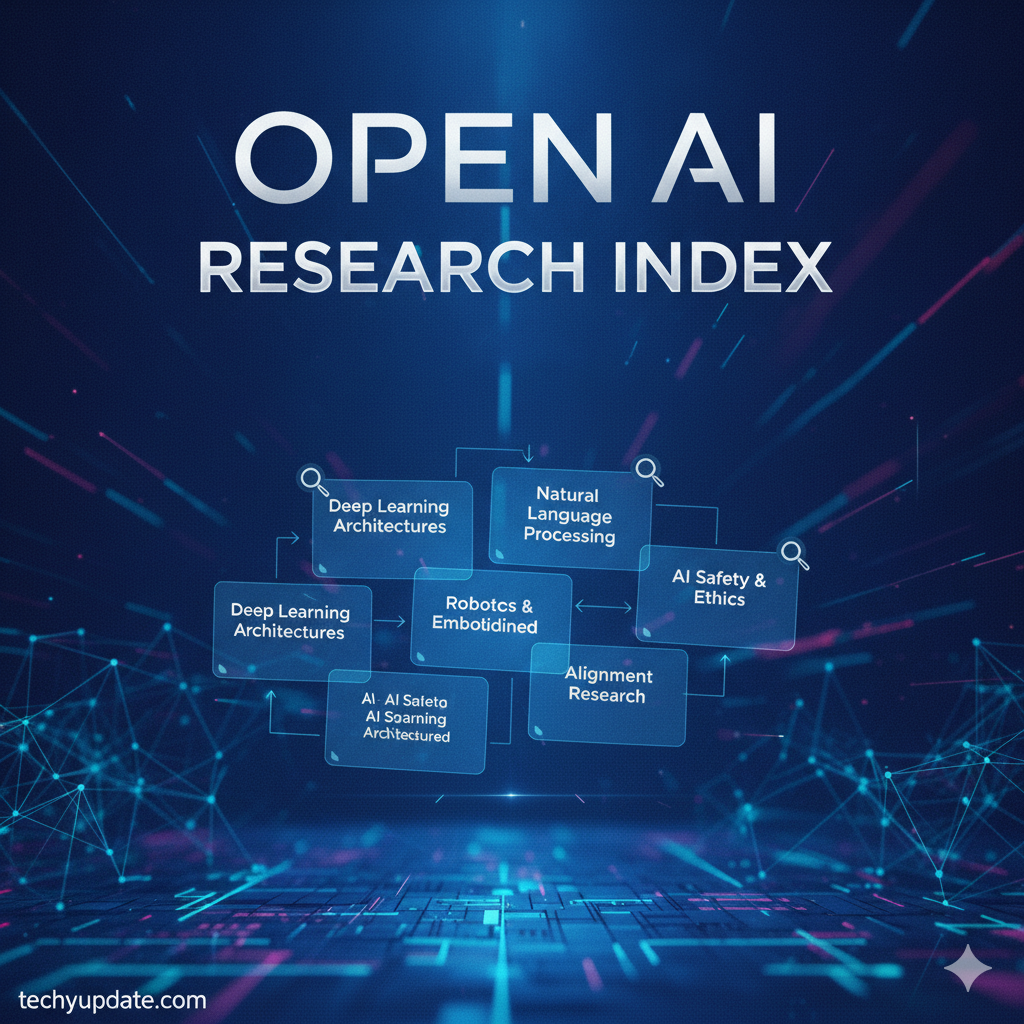
Research areas include:
- Large language models
- Multimodal AI systems
- Reinforcement learning
- AI alignment
- Reasoning capabilities
- Agentic systems
- Robotics research
- Safety methodologies
The significance of this research index lies in its direct impact on real-world products. Many breakthroughs introduced through OpenAI research eventually become part of ChatGPT, API services, and enterprise offerings.
For example, advances in reasoning models have improved AI accuracy across complex tasks. Similarly, multimodal research has enabled models to process images, audio, and video alongside traditional text inputs.
Businesses benefit from these innovations because new research often translates into improved productivity tools, automation workflows, and intelligent applications. Developers gain access to increasingly capable models without needing to build AI systems from scratch.
Students and researchers also benefit from enhanced educational tools, more accurate information retrieval, and improved problem-solving assistance.
The Research Index demonstrates OpenAI’s long-term vision of developing increasingly capable AI systems while balancing innovation with responsible deployment practices.
Research Overview
OpenAI’s research philosophy centers around building artificial intelligence that can solve increasingly complex problems while remaining useful and safe for humanity.
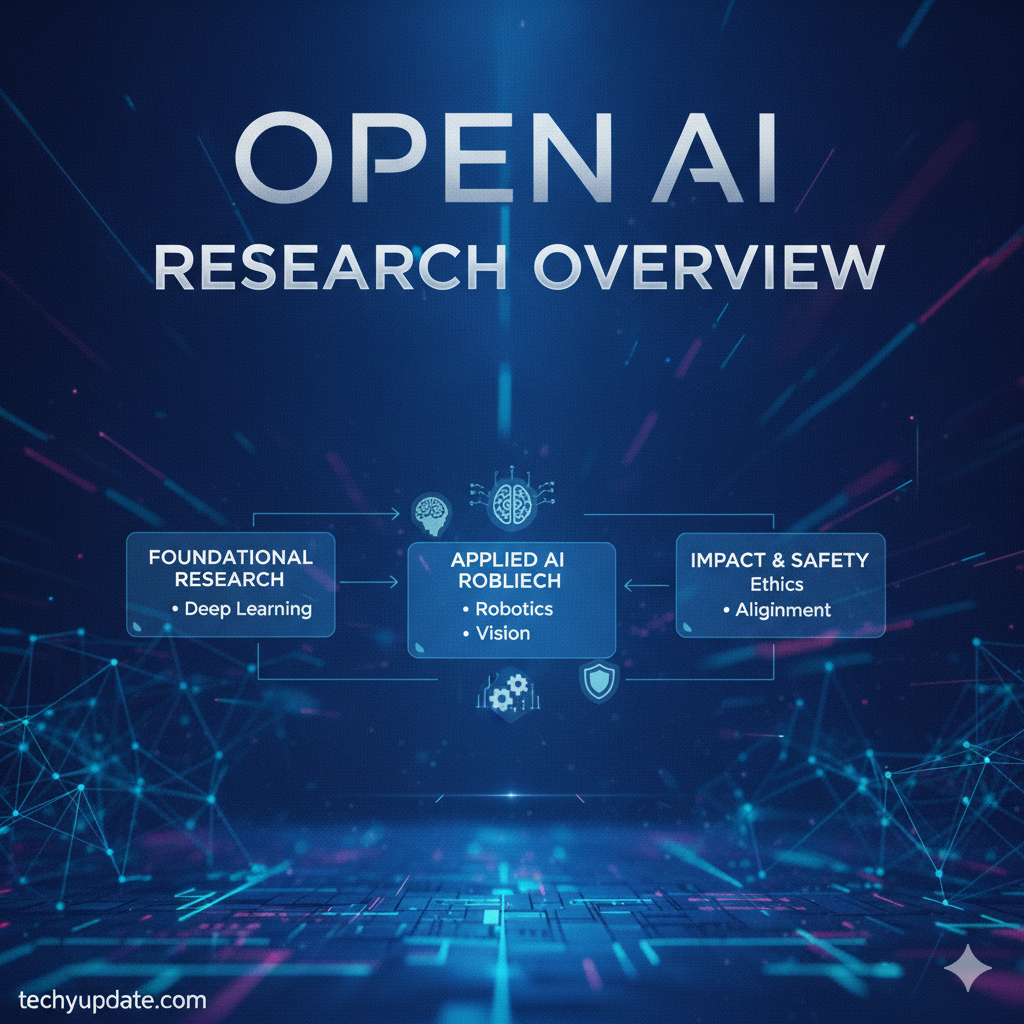
Recent research efforts have focused on several important themes:
Advanced Reasoning
Modern AI systems are becoming more capable of handling multi-step reasoning tasks. These improvements enable models to solve mathematical problems, analyze data, generate code, and conduct complex research with greater accuracy.
Multimodal Intelligence
OpenAI continues to expand beyond text-based AI. Current systems can understand images, interpret audio, generate visual content, and combine multiple forms of information into a unified response.
AI Agents
Agent-based systems represent a major focus area. These AI systems can perform tasks, execute workflows, interact with software, and complete objectives with minimal human intervention.
Alignment Research
OpenAI invests heavily in ensuring that AI systems behave in accordance with human intentions and values. This area remains critical as models become increasingly powerful.
The practical result of these research efforts is a continuous improvement cycle. Users experience smarter AI assistants, developers gain access to better APIs, and businesses receive more capable automation tools.
This research-driven approach remains one of the strongest competitive advantages behind OpenAI’s continued growth.
Research Residency
The Research Residency program has become one of OpenAI’s most recognized initiatives for developing future AI talent.
Unlike traditional academic pathways, the residency provides participants with hands-on experience working alongside leading AI researchers and engineers. Individuals from diverse backgrounds can gain exposure to machine learning, model development, AI safety, and large-scale system design.
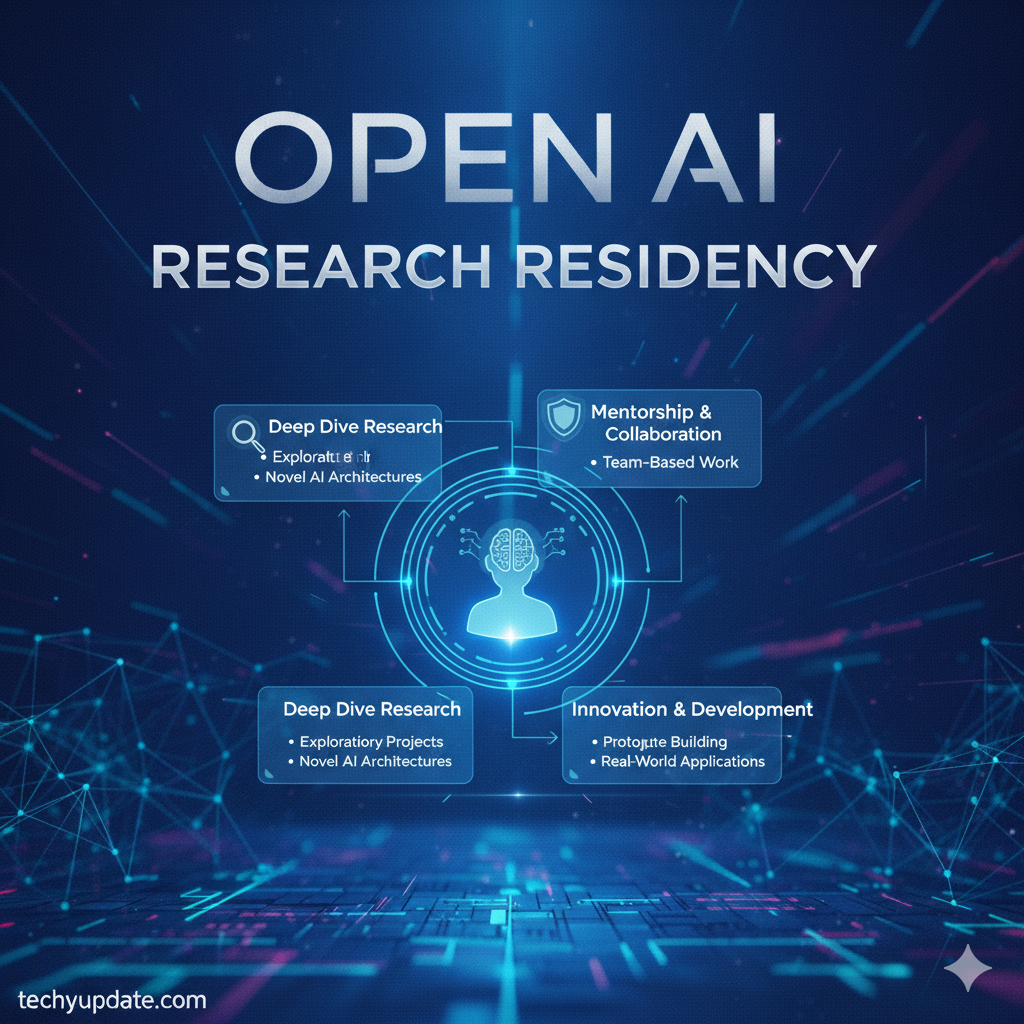
Key benefits include:
- Mentorship from AI experts
- Practical research experience
- Exposure to frontier AI development
- Collaborative projects
- Career advancement opportunities
The residency program demonstrates OpenAI’s commitment to cultivating expertise across the AI ecosystem. It also helps address the growing demand for skilled AI researchers and engineers worldwide.
For aspiring AI professionals, the program serves as a bridge between theoretical knowledge and real-world implementation. Participants gain valuable experience that would be difficult to obtain through traditional education alone.
Many successful researchers have used residency programs as stepping stones into advanced AI careers. As artificial intelligence continues expanding across industries, initiatives like this play an important role in developing the next generation of AI innovators.
Safety
Safety remains one of the most important pillars of OpenAI’s strategy. As AI systems become more powerful, ensuring responsible deployment becomes increasingly critical.
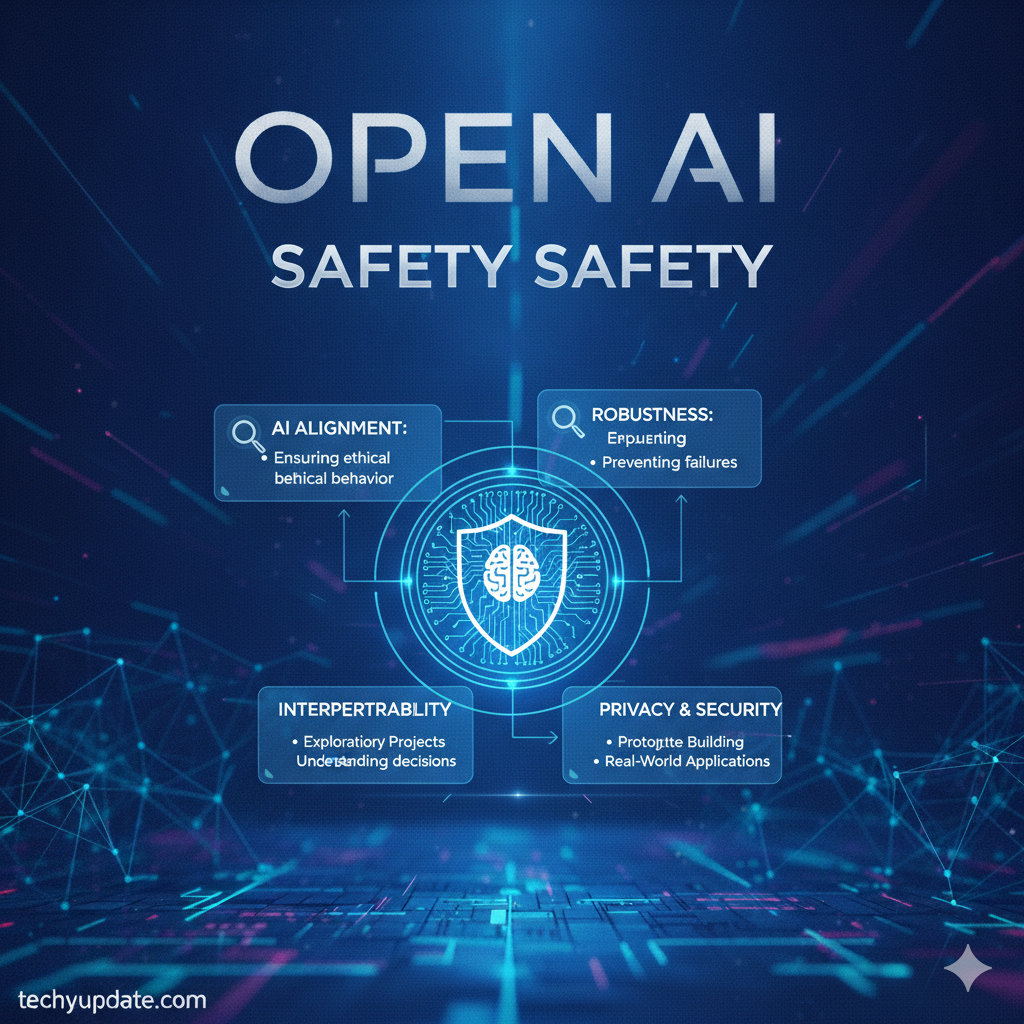
OpenAI approaches safety through multiple layers:
Model Alignment
AI systems are trained to follow human instructions while avoiding harmful or unsafe behavior.
Red Team Testing
Specialized teams attempt to identify vulnerabilities before public deployment.
Monitoring and Evaluation
Continuous testing helps detect potential issues and improve reliability.
Policy Development
OpenAI collaborates with researchers, policymakers, and industry experts to establish responsible AI practices.
The importance of AI safety cannot be overstated. Businesses adopting enterprise AI require confidence that systems will operate reliably and securely. Educational institutions need trustworthy learning tools. Developers need predictable behavior when integrating AI into applications.
OpenAI’s safety investments help create greater trust among users and organizations. While no AI system is perfect, the company’s emphasis on alignment and responsible deployment provides an important competitive advantage.
As AI capabilities continue to advance, safety research will likely remain one of the defining factors separating leading AI organizations from the rest of the industry.
Latest Advancements
The latest advancements from OpenAI demonstrate how quickly generative AI technology is evolving.
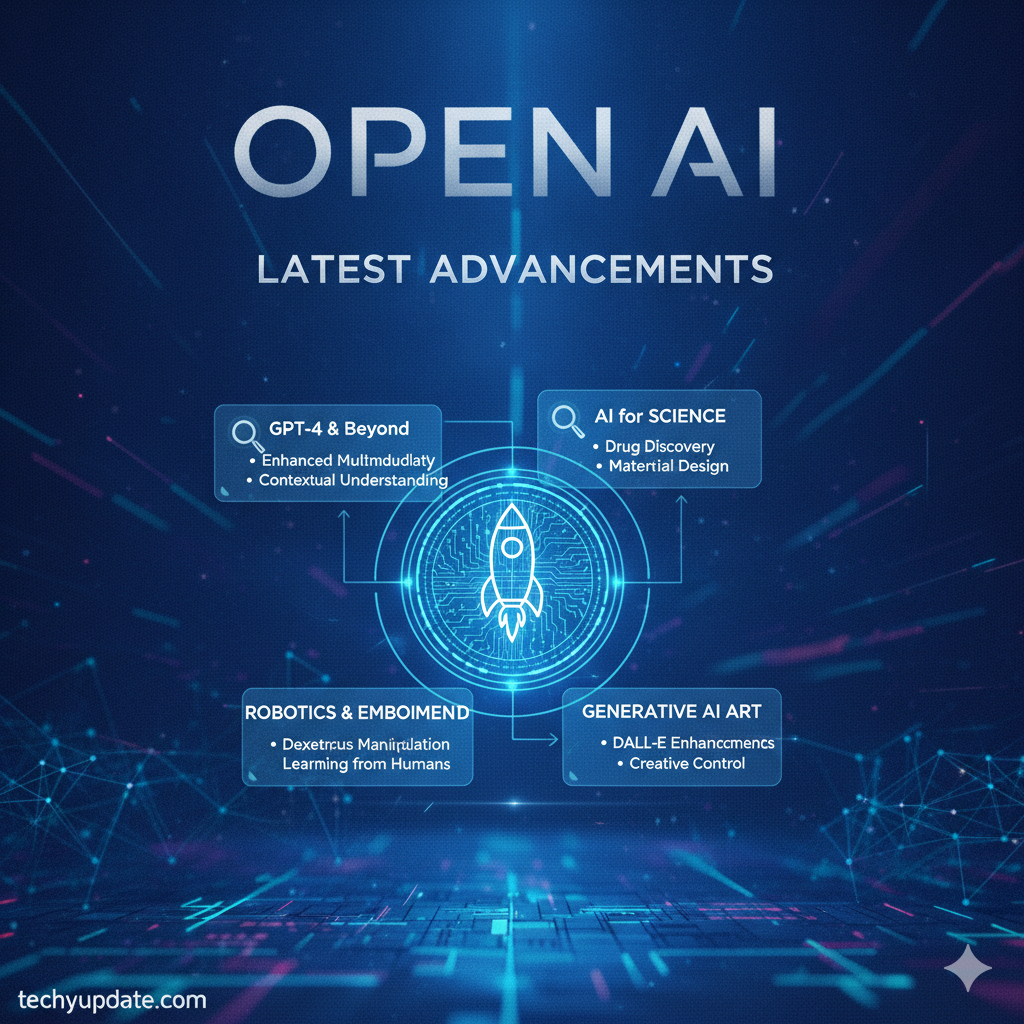
Recent innovations include:
- More capable reasoning models
- Enhanced multimodal understanding
- Improved coding assistance
- Advanced AI agents
- Better enterprise integrations
- Increased context handling
- Faster response generation
- Enhanced accuracy and reliability
One particularly important trend is the emergence of autonomous AI agents capable of completing complex workflows. These systems can assist with research, customer service, software development, project management, and business operations.
Another significant advancement is multimodal intelligence. Modern models can seamlessly combine text, images, audio, and video processing within a single workflow.
For businesses, these advancements translate into greater productivity and reduced operational costs. Developers create opportunities to build entirely new categories of AI-powered applications.
The pace of innovation suggests that OpenAI will continue playing a major role in shaping the future of artificial intelligence throughout 2026 and beyond.
Is OpenAI Worth It for Business?
For businesses evaluating AI adoption, OpenAI offers one of the most mature ecosystems available today. Organizations can use AI for customer support, content creation, software development, knowledge management, data analysis, and workflow automation.
Benefits for businesses include:
- Faster content production
- Reduced operational costs
- Improved customer experiences
- Enhanced employee productivity
- Scalable automation
Many companies use OpenAI to automate repetitive tasks while allowing employees to focus on strategic work. Customer service teams can deploy AI-powered assistants, while marketing departments can accelerate content creation and campaign planning.
The return on investment often depends on the quality of implementation. Organizations that integrate AI into existing workflows typically see greater productivity gains than those that use it only for experimentation.
For small businesses, ChatGPT Business provides accessible AI capabilities. Larger enterprises benefit from enterprise-grade security, compliance controls, and custom deployment options.
Overall, OpenAI remains a worthwhile investment for businesses seeking practical AI solutions.
ChatGPT Platform Overview
ChatGPT is the most recognizable product within the OpenAI ecosystem. It serves as an AI assistant capable of answering questions, generating content, assisting with coding, conducting research, and supporting learning.
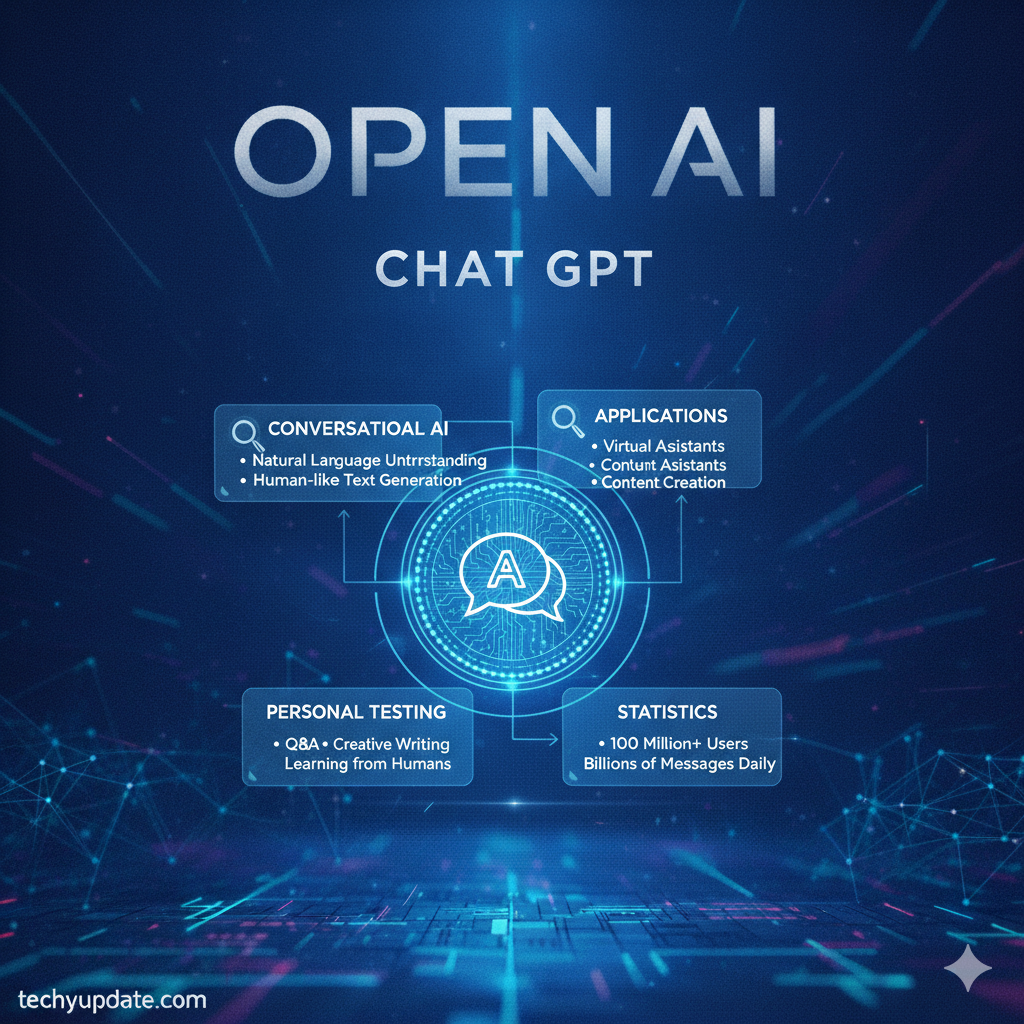
Students use ChatGPT for:
- Homework assistance
- Research support
- Study planning
- Writing improvement
Professionals use ChatGPT for:
- Email drafting
- Report creation
- Meeting summaries
- Data analysis
Developers use ChatGPT for:
- Code generation
- Debugging
- Documentation
- Technical learning
The platform’s versatility makes it suitable for a wide range of use cases. Continuous model improvements have significantly increased accuracy, reasoning, and reliability compared with earlier generations.
OpenAI vs ChatGPT Pricing
A common misconception is that OpenAI and ChatGPT are separate products. In reality, ChatGPT is one of OpenAI’s primary consumer-facing services.
Pricing generally falls into several categories:
- Free access
- Premium subscriptions
- Business plans
- Enterprise solutions
- API usage-based pricing
Free users can access core AI capabilities. Paid plans unlock advanced models, higher limits, premium features, and improved performance.
Businesses should evaluate whether subscription or API pricing better aligns with their usage requirements. High-volume organizations often benefit from enterprise agreements, while individuals typically find subscription plans sufficient.
Codex and Developer Tools
Codex has played a major role in transforming software development workflows. Built specifically for coding tasks, it helps developers write, debug, and optimize code efficiently.
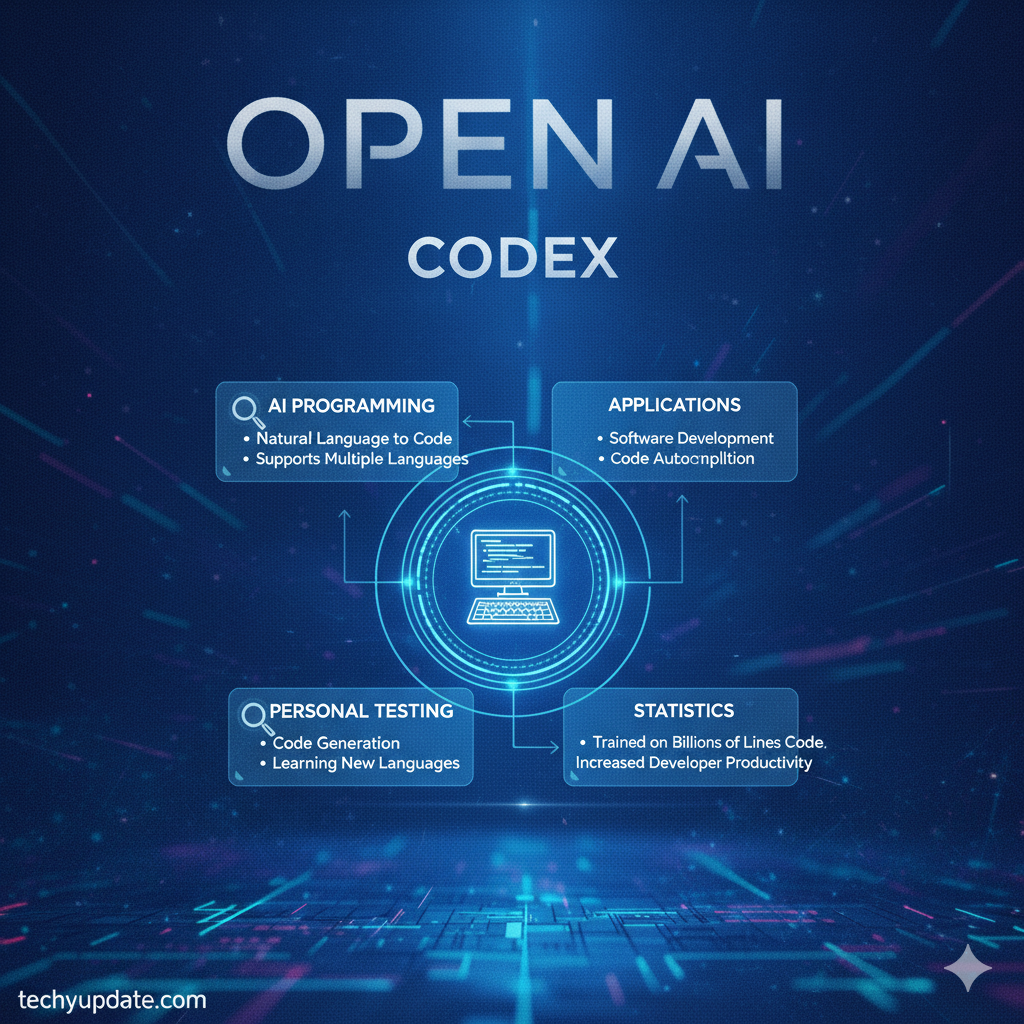
Popular use cases include:
- Code generation
- Refactoring
- Bug detection
- Documentation writing
- Learning new programming languages
Developers report substantial productivity improvements when combining traditional development practices with AI assistance. Rather than replacing engineers, Codex functions as an intelligent collaborator.
For startups and software companies, this can translate into faster development cycles and reduced project timelines.
Atlas and Prism Initiatives
Atlas and Prism represent OpenAI’s broader efforts to expand AI capabilities beyond conventional chatbot experiences.
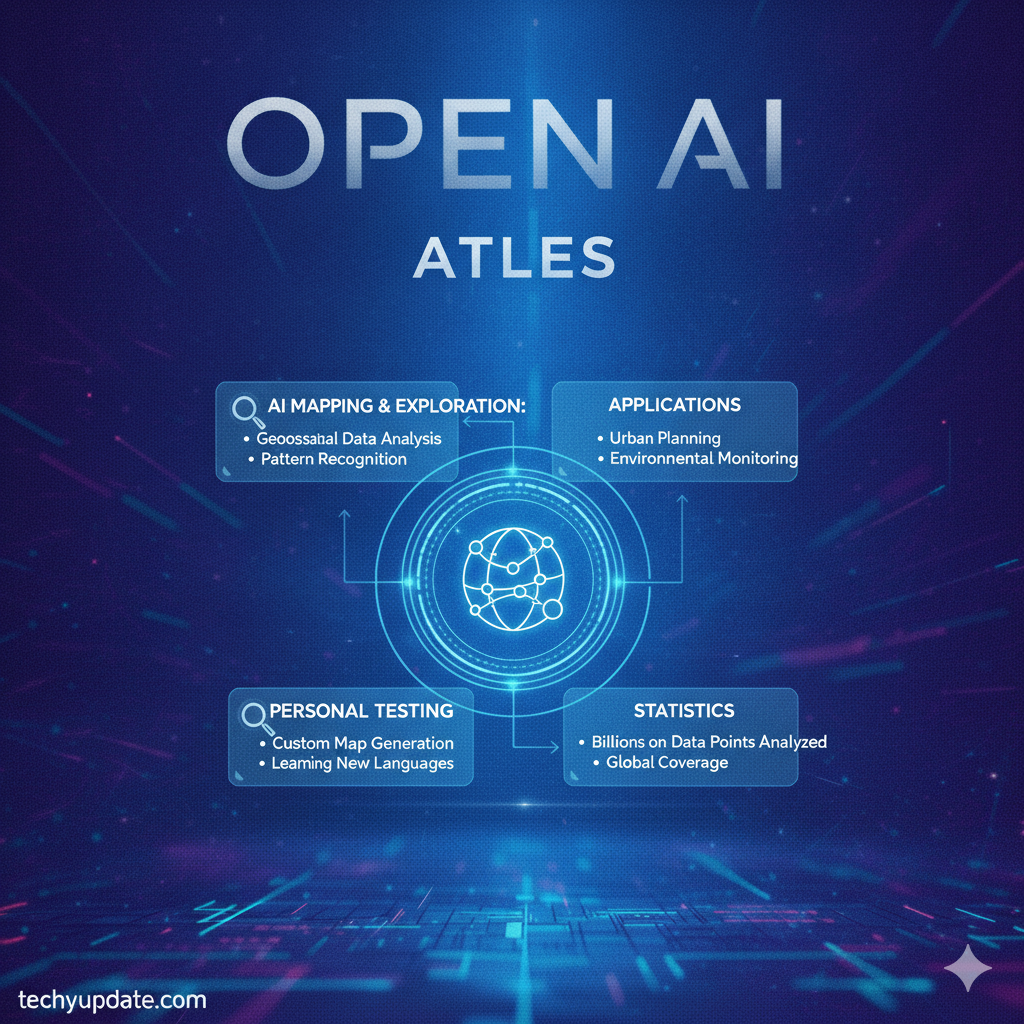
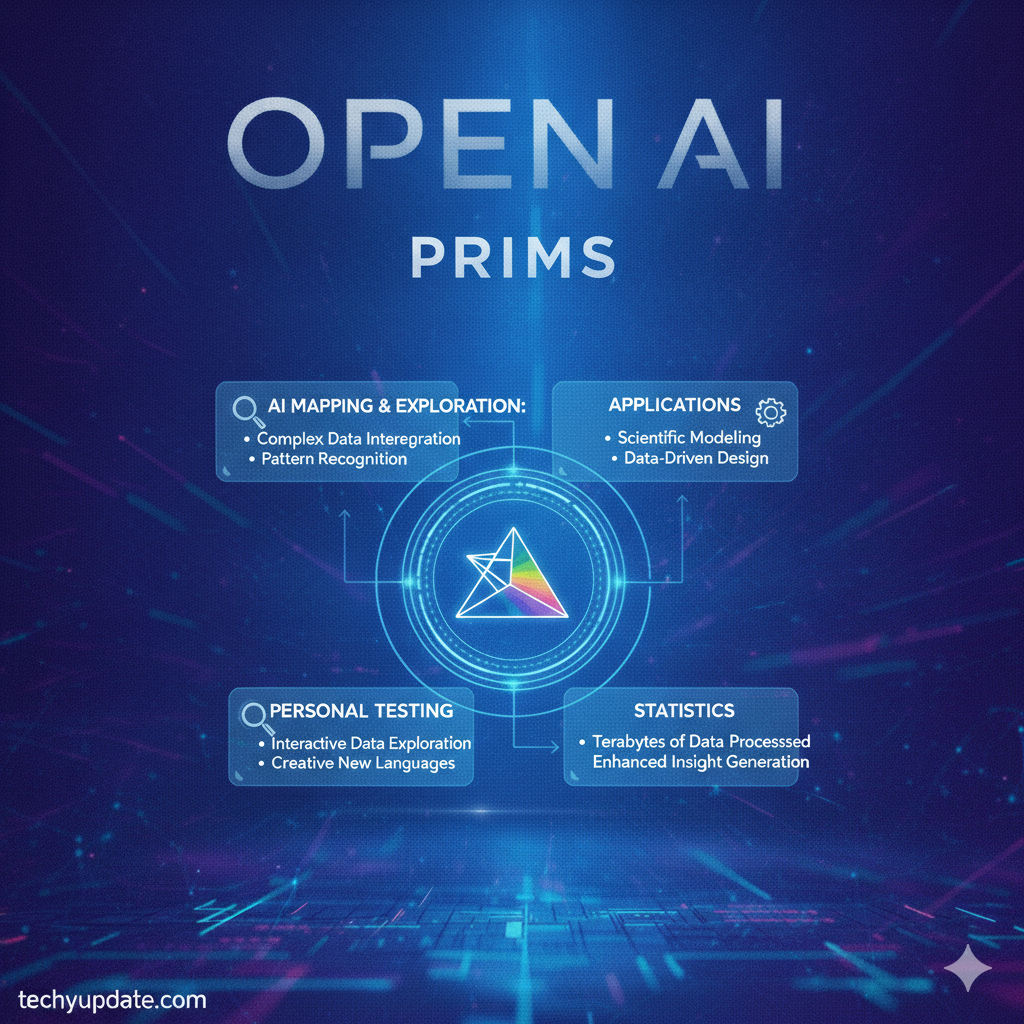
These initiatives focus on:
- Advanced reasoning
- Knowledge retrieval
- Complex workflow automation
- Enterprise intelligence
Although many technologies evolve rapidly, the underlying goal remains consistent: enabling AI systems to solve increasingly sophisticated real-world problems.
Organizations exploring future AI capabilities should monitor these developments closely, as they may influence next-generation enterprise applications.
Best OpenAI Plan for Teams
Choosing the right plan depends on team size, workload, and security requirements.
Recommended options:
Small Teams
- ChatGPT Business
- Shared collaboration features
- Affordable pricing
- Productivity-focused tools
Mid-Sized Organizations
- Business plans with administrative controls
- Enhanced collaboration
- Greater scalability
Large Enterprises
- ChatGPT Enterprise
- Advanced security
- Compliance support
- Dedicated infrastructure
Teams handling sensitive information should prioritize security and governance features over basic subscription costs.
OpenAI Pricing Plans
OpenAI pricing continues evolving as new capabilities are introduced.
Typical plan categories include:
Free Plan
Suitable for casual users exploring AI capabilities.
Premium Plans
Offer access to advanced models, increased limits, and premium features.
Business Plans
Designed for collaboration, productivity, and organizational deployment.
Enterprise Plans
Provide advanced administration, compliance, security, and scalability.
When evaluating OpenAI pricing, organizations should calculate expected usage rather than focusing solely on monthly subscription costs.
Read More: Google Gemini Review
API Pricing
OpenAI API pricing follows a usage-based model. Developers pay according to model usage, making it highly scalable for applications of all sizes.
Factors affecting costs include:
- Model selection
- Input volume
- Output volume
- Context length
- Request frequency
Startups often appreciate the flexibility because they can scale usage gradually. Larger enterprises may negotiate customized agreements depending on deployment requirements.
Before launching production applications, developers should estimate expected usage carefully to avoid unexpected expenses.
Customer Stories
Organizations across industries have successfully implemented OpenAI technologies.
Examples include:
- Customer support automation
- Healthcare documentation assistance
- Financial analysis workflows
- Educational learning platforms
- Software development acceleration
These real-world applications demonstrate how AI can create measurable value when aligned with business objectives.
The most successful implementations focus on solving specific problems rather than adopting AI solely because it is popular.
Developer Ecosystem
OpenAI maintains one of the largest developer ecosystems in the AI industry.
Resources include:
- API Platform
- Documentation
- Developer Blog
- Cookbook
- Community Forums
- SDKs
- Tutorials
This extensive ecosystem reduces barriers for developers seeking to build AI-powered applications.
Comprehensive documentation and active community support help accelerate learning and implementation.
Open Models and Agents
AI agents represent one of the most exciting developments in modern artificial intelligence.
Unlike traditional chatbots, agents can:
- Perform actions
- Complete workflows
- Manage tasks
- Interact with software systems
Open models and agent frameworks create opportunities for organizations seeking advanced automation.
As AI technology matures, agents are expected to become increasingly important across industries.
Enterprise Solutions
OpenAI offers enterprise-focused solutions designed for large organizations.
Key capabilities include:
- Security controls
- Compliance features
- Identity management
- Data governance
- Dedicated infrastructure
Enterprise AI adoption requires more than model quality. Organizations need trust, reliability, scalability, and administrative oversight.
OpenAI addresses these requirements through enterprise-grade offerings.
Industry Applications
Healthcare
AI assists with documentation, research support, and operational efficiency.
Financial Services
Organizations use AI for analysis, customer support, and workflow automation.
Cybersecurity
AI helps identify threats, analyze incidents, and improve response times.
Life Sciences
Researchers use AI to accelerate discovery and data analysis.
Software Development
Coding assistance remains one of the fastest-growing enterprise use cases.
Frontier Models and Multimodal AI
Frontier models represent the most advanced AI systems developed by OpenAI.
These models support:
- Text generation
- Image understanding
- Audio processing
- Video analysis
- Reasoning tasks
Multimodal capabilities enable richer interactions and broader business applications.
As organizations increasingly require integrated AI solutions, multimodal systems are becoming essential.
OpenAI vs Anthropic
Both OpenAI and Anthropic are leaders in AI innovation.
OpenAI strengths:
- Larger ecosystem
- Extensive developer tools
- Strong enterprise offerings
- Broad product portfolio
Anthropic strengths:
- Safety-focused approach
- Strong reasoning performance
- Enterprise adoption growth
The best choice depends on organizational requirements and preferred workflows.
OpenAI vs Google Gemini
Google Gemini remains one of OpenAI’s strongest competitors.
OpenAI advantages:
- Mature ecosystem
- Developer adoption
- API flexibility
- Broad business tools
Gemini advantages:
- Deep Google integration
- Productivity suite connections
- Search ecosystem benefits
Many organizations evaluate both platforms before making deployment decisions.
Productivity and Time Management
Students and professionals increasingly rely on AI to enhance productivity.
Popular use cases include:
- Task planning
- Content drafting
- Research assistance
- Learning support
- Meeting summaries
When used effectively, AI can significantly reduce the time spent on repetitive work.
Coding and Technical Skills
Developers use OpenAI tools to:
- Learn programming concepts
- Generate code examples
- Debug applications
- Explore new technologies
AI should complement learning rather than replace foundational technical knowledge.
Pro Tips to Maximize OpenAI
Pro Tip 1: Use detailed prompts for better outputs.
Pro Tip 2: Provide context and objectives.
Pro Tip 3: Iterate on responses rather than expecting perfection immediately.
Pro Tip 4: Combine AI outputs with human review.
Pro Tip 5: Use specialized tools for coding, research, and productivity tasks.
Common Mistakes Users Make
Many users fail to achieve optimal results because they:
- Use vague prompts
- Ignore fact-checking
- Depend entirely on AI outputs
- Skip iterative refinement
- Neglect privacy considerations
Avoiding these mistakes significantly improves outcomes.
Expert Insights on AI Learning Trends
Industry experts predict several major trends:
- Growth of AI agents
- Increased multimodal adoption
- Enterprise AI expansion
- Personalized learning systems
- Advanced reasoning capabilities
Organizations investing in AI literacy today will likely gain long-term competitive advantages.
Quick Summary
OpenAI remains one of the most influential AI organizations in 2026.
Key strengths include:
- Advanced research
- Powerful AI models
- Extensive developer ecosystem
- Enterprise-grade solutions
- Strong productivity applications
Potential considerations include:
- Usage costs
- Learning curve
- Need for human oversight
Overall Rating: 9.5/10
For students, developers, professionals, and businesses, OpenAI remains one of the best AI platforms available today.
Frequently Asked Questions
Is OpenAI Free?
Yes, OpenAI offers free access to ChatGPT and selected AI tools, allowing users to experience artificial intelligence without paying. However, advanced features, premium models, faster performance, higher usage limits, and business-focused capabilities are available through paid subscription plans. Developers using the OpenAI API are charged based on their usage.
What Is OpenAI Used For?
OpenAI is used for a wide range of tasks, including content creation, coding assistance, research, education, customer support, data analysis, workflow automation, and business productivity. Its AI models help students learn faster, developers build applications, and companies automate repetitive tasks while improving efficiency.
Is ChatGPT Worth Paying For?
For many users, ChatGPT is worth paying for because premium plans provide access to more advanced AI models, faster response times, priority access during peak periods, and additional productivity features. Professionals, students, content creators, and developers often find that the time saved and improved output quality justify the subscription cost.
Is OpenAI Good for Business?
Yes, OpenAI is a strong choice for businesses of all sizes. Organizations use OpenAI for customer service automation, content generation, software development, knowledge management, and operational efficiency. Enterprise solutions also offer advanced security and compliance features, as well as scalable deployment options for larger companies.
What Does OpenAI Cost?
OpenAI pricing varies depending on the service being used. ChatGPT offers both free and paid subscription plans, while OpenAI API pricing is based on model usage and token consumption. Business and enterprise plans are priced according to organizational requirements, making OpenAI suitable for individuals, startups, and large enterprises alike.
Is ChatGPT Worth Paying For?
Yes, ChatGPT is worth paying for if you regularly use AI for writing, research, coding, learning, or business tasks. Paid plans provide access to advanced models, faster response times, higher usage limits, and premium features that can significantly improve productivity and workflow efficiency.
Which ChatGPT Plan Is Best?
The best ChatGPT plan depends on your needs. Casual users may find the free version sufficient, while professionals often prefer ChatGPT Plus for enhanced performance. Businesses typically benefit from ChatGPT Business or Enterprise plans that include collaboration, security, and administrative features.
Is OpenAI Good for Businesses?
Yes, OpenAI is an excellent solution for businesses. Companies use OpenAI for customer support automation, content creation, software development, workflow optimization, data analysis, and AI-powered productivity. Enterprise features also provide security, compliance, and scalability for larger organizations.
How Expensive Is the OpenAI API?
The OpenAI API uses a pay-as-you-go pricing model. Costs vary depending on the selected AI model, the number of requests, and the amount of text, images, or other data processed. Small projects can be relatively affordable, while high-volume enterprise applications may require larger budgets.
What Is the Difference Between ChatGPT and OpenAI?
OpenAI is the company that develops AI technologies, while ChatGPT is one of OpenAI’s products. OpenAI offers research, APIs, enterprise solutions, AI agents, and developer tools, whereas ChatGPT is the conversational AI platform used by individuals and businesses.
What Is GPT-5.2?
GPT-5.2 is an advanced artificial intelligence model designed to improve reasoning, content generation, coding assistance, research capabilities, and multimodal understanding. It delivers more accurate responses, stronger problem-solving abilities, and improved performance across professional and business use cases.
Is OpenAI Safe for Company Data?
OpenAI provides multiple security and privacy features for business and enterprise customers. Enterprise plans include enhanced data controls, administrative tools, compliance support, and security protections designed to help organizations use AI responsibly while protecting sensitive information.
What Does OpenAI Do?
OpenAI develops artificial intelligence technologies that help people create content, write code, automate workflows, conduct research, analyze information, and solve complex problems. Its products are used by students, developers, professionals, and organizations worldwide.
How Much Does ChatGPT Cost?
ChatGPT offers both free and paid subscription options. Pricing varies by plan and available features. Premium subscriptions provide access to advanced AI models, higher usage limits, faster performance, and additional productivity tools for professional users.
Which OpenAI Plan Is Best?
The best OpenAI plan depends on your goals. Individual users often prefer ChatGPT Plus, developers may benefit from API access, teams can use ChatGPT Business, and larger organizations typically choose Enterprise plans for advanced security and collaboration features.
How Much Does the OpenAI API Cost?
OpenAI API costs depend on the model used and the amount of processing required. Pricing is typically based on usage, allowing developers and businesses to scale expenses according to their application needs and traffic volume.
What Are OpenAI’s Main Products?
OpenAI’s primary products include ChatGPT, GPT models, the OpenAI API, AI agents, developer tools, enterprise AI solutions, coding assistants, multimodal AI systems, and research-driven artificial intelligence platforms designed for business and personal use.
Is ChatGPT Pro Worth It?
ChatGPT Pro can be worth the investment for power users who require faster performance, higher usage limits, priority access to advanced models, and enhanced productivity features. Professionals, developers, researchers, and businesses often gain the most value from Pro-level subscriptions.